Pivotal Moments of the Left Coast
Four transformative events that shaped the Pacific West: disaster and reconstruction, labor solidarity, campus activism, and contemporary protest movements
Loading map...
The Left Coast Legacy
The Pacific Coast has long been a crucible of American transformation. From the devastating 1906 San Francisco earthquake that rebuilt a city, to the 1919 Seattle General Strike that demonstrated worker solidarity, the 1964 Berkeley Free Speech Movement that revolutionized campus autonomy, and the 2020 Portland protests that challenged federal authority, these moments reflect the region's tradition of resilience, activism, and social change.
Each event not only shaped local communities but also influenced national conversations about disaster response, labor rights, free expression, and racial justice.
April 18, 1906
April 18, 1906
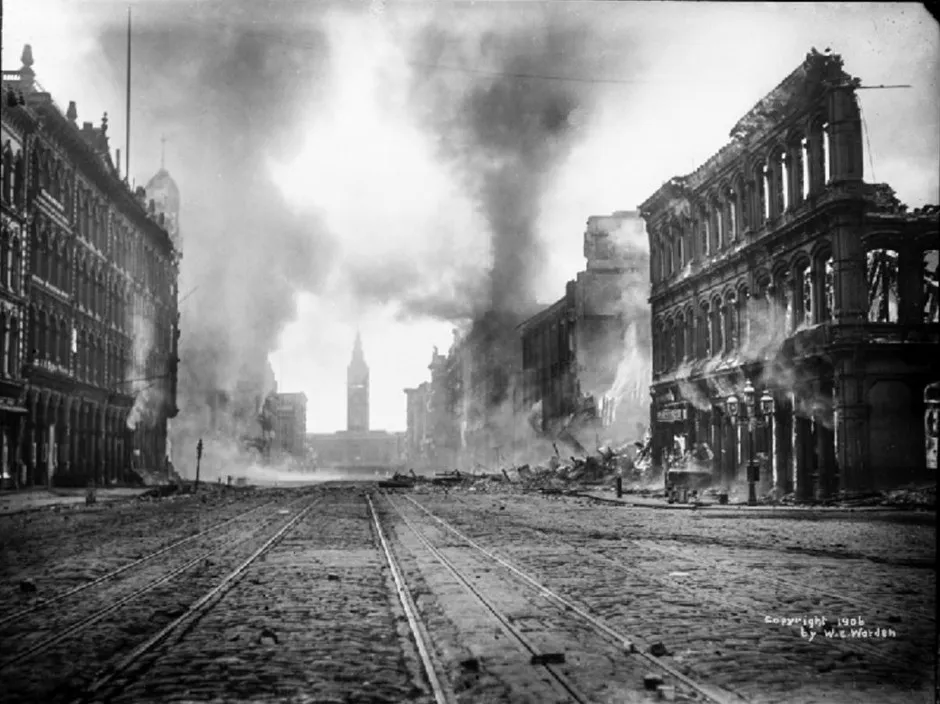
San Francisco 1906
Earthquake and Fire
San Francisco Earthquake and Fire
A catastrophic earthquake struck at 5:13 AM, followed by fires that burned for four days, killing over 3,000 people and causing $500 million in damage. South-of-Market tenements collapsed as ground liquefied, trapping residents who died in the subsequent fires. The U.S. Army deployed troops for disaster relief while 20,000 refugees were evacuated by sea in history's largest maritime evacuation until Dunkirk.
Learn More →Feb 6-11, 1919
Feb 6-11, 1919
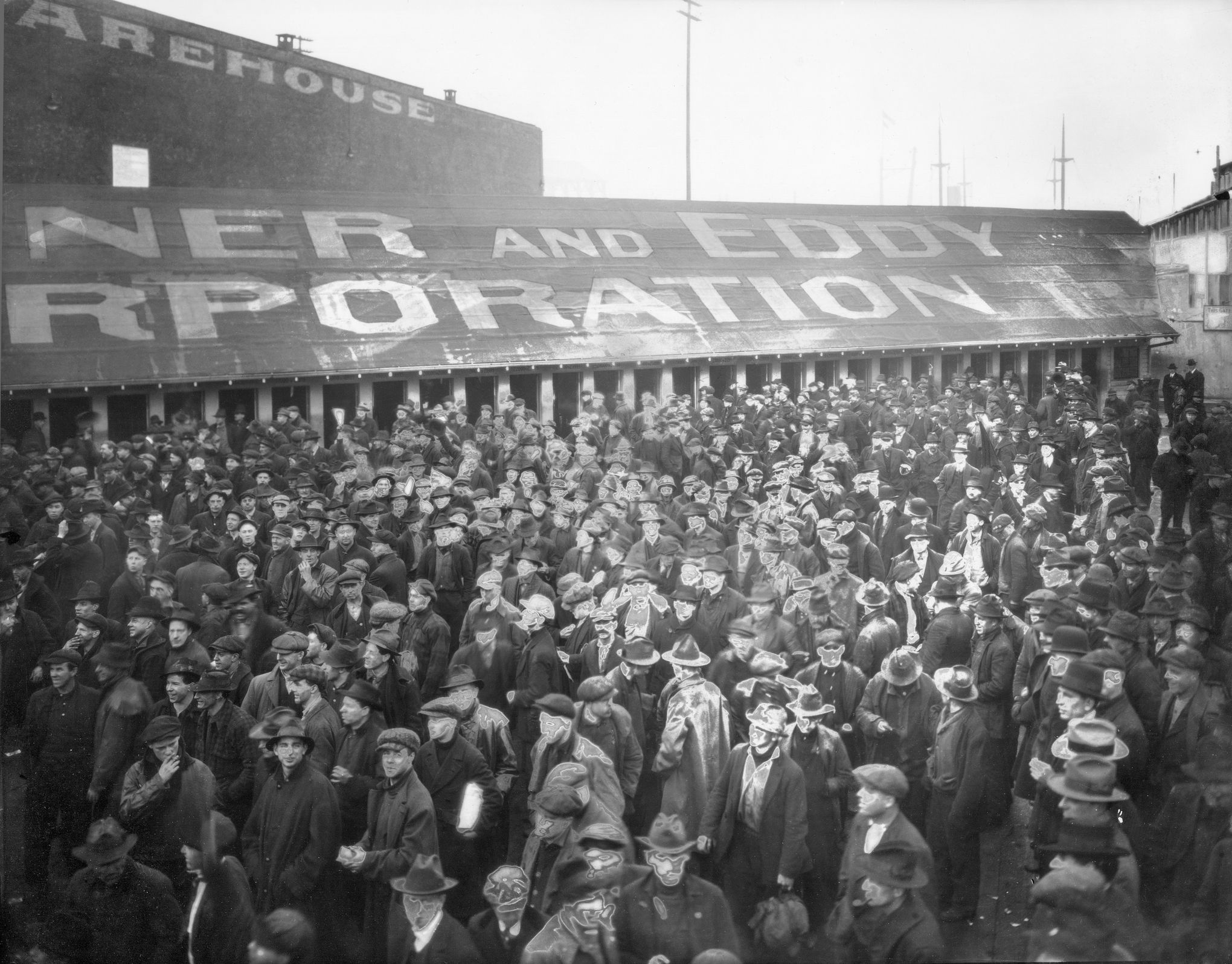
Seattle 1919
General Strike
Seattle General Strike
On February 6, 1919, 60,000 Seattle workers walked off their jobs in America's first citywide general strike. When 35,000 shipyard workers struck for fair wages, 101 AFL unions voted to join in solidarity. The city stopped: stores closed, streetcars halted, and "nothing moved but the tide." Union members organized essential services, feeding thousands daily and maintaining order with unarmed veteran guards. Despite remaining completely peaceful, the strike ended February 11 under federal pressure and media denunciation as "Bolshevism," triggering raids on the IWW and Socialist Party.
Learn More →Oct 1, 1964 - Jan 3, 1965
Oct 1, 1964 - Jan 3, 1965
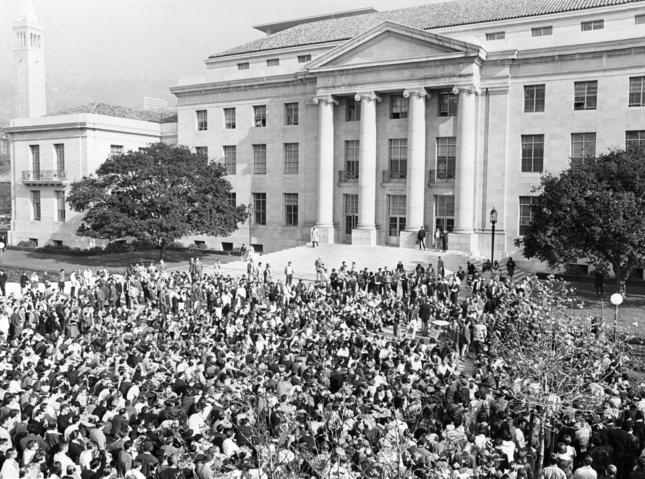
Berkeley 1964
Free Speech Movement
Free Speech Movement (UC Berkeley)
When UC Berkeley banned political organizing on the Bancroft Strip in September 1964, student civil rights activists erupted in protest. On October 1, police arrested CORE activist Jack Weinberg, sparking a 32-hour sit-in around the police car in Sproul Plaza. The movement escalated in December when over 800 students occupied Sproul Hall, resulting in mass arrests. Students from groups like CORE and SNCC challenged university restrictions that prohibited civil rights organizing, fundamentally transforming campus free speech protections and student autonomy.
Learn More →Jul 15 - Aug 31, 2020
Jul 15 - Aug 31, 2020
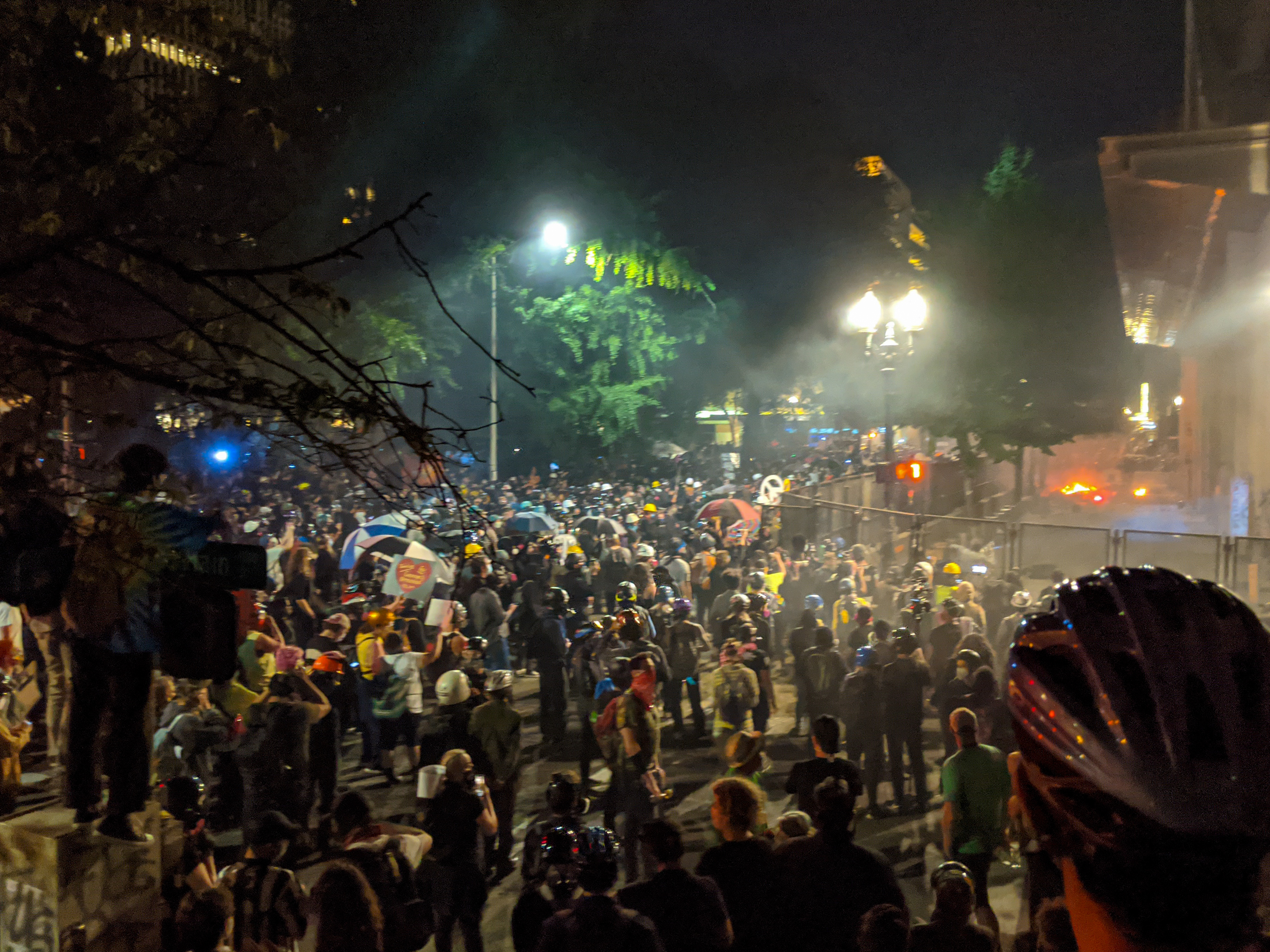
Portland 2020
BLM Protests
Black Lives Matter Portland Federal Courthouse Siege
Following George Floyd's death, Portland protesters sustained nightly demonstrations for nearly two months. On July 15, federal agents in unmarked vehicles began detaining protesters without explanation near the Mark O. Hatfield Federal Courthouse. Federal officers deployed tear gas, flash bangs, and impact munitions despite court restrictions on local police. One protester suffered a fractured skull from an impact round. President Trump's deployment of federal forces to protect federal property sparked fierce controversy, with Oregon Governor Kate Brown demanding withdrawal.
Learn More →