Black Lives Matter Portland Federal Courthouse Siege
Jul 15 - Aug 31, 2020
Portland, Oregon
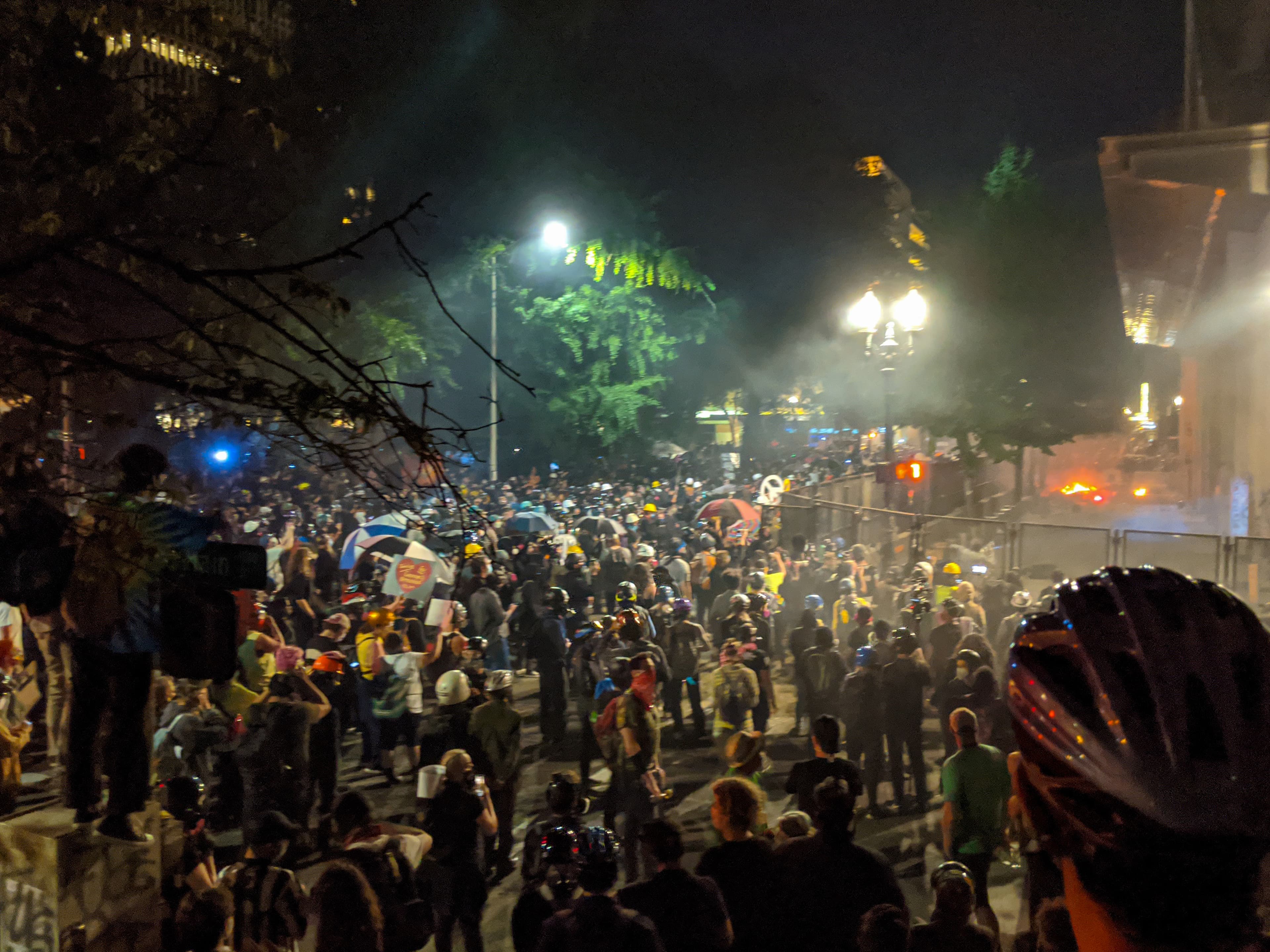
Portland became the city that would not stop marching. Night after night through the summer of 2020, protesters gathered downtown in demonstrations that outlasted those in nearly every other American city. What began as part of the national uprising following George Floyd's death in Minneapolis became something else entirely when federal agents arrived in unmarked vehicles, turning Portland into ground zero for a confrontation over the limits of federal power.[1],[2]
The protests had started in late May and continued without interruption into summer, part of the broader Black Lives Matter movement but with a persistence that distinguished Portland from other cities. Local authorities struggled to manage the nightly gatherings. After Portland police made extensive use of tear gas and impact munitions in early June, a federal judge intervened, issuing a restraining order that limited crowd control tactics.[1] By late June, that order had expanded to prohibit pepper spray and rubber bullets, and Oregon legislators had passed laws requiring police to issue warnings before deploying chemical agents.[1]
Federal involvement changed the nature of the conflict. On July 1, federal officers began directly confronting protesters near the Mark O. Hatfield Federal Courthouse, firing pepper balls at anyone who approached the building.[1] By Independence Day, U.S. Marshals and Customs and Border Protection agents were deploying tear gas and flash grenades to push crowds away from federal property, clearing demonstrators for blocks in every direction.[1]
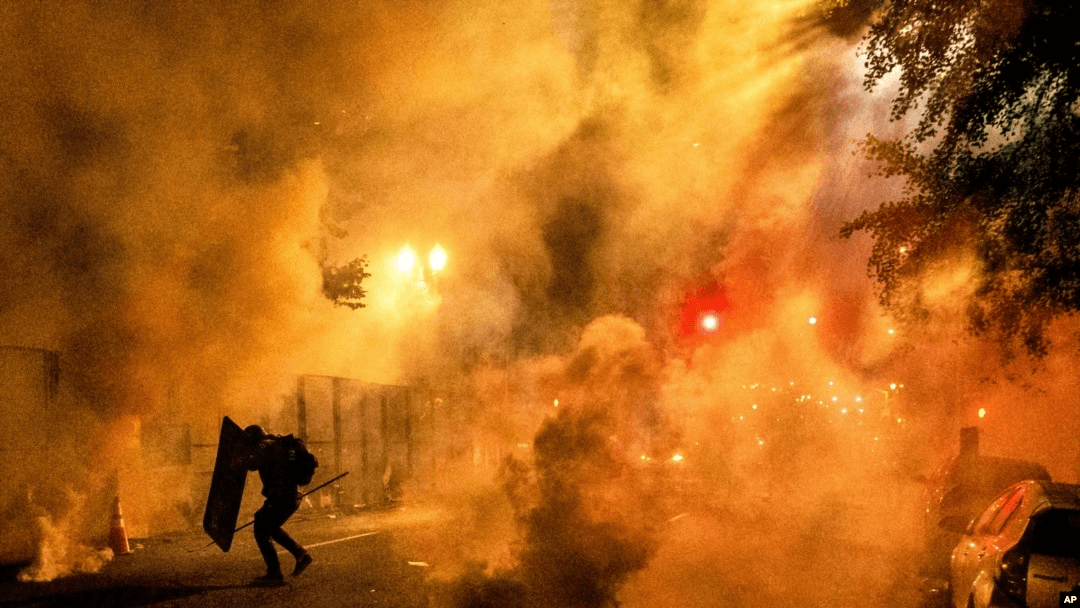
The violence escalated quickly. On July 11, federal officers shot 26-year-old Donavan La Bella in the head with an impact round, fracturing his skull.[1] Four days later came the images that would define Portland's summer: federal agents in camouflage, driving unmarked rental vans, grabbing protesters off the street without explanation. Mark Pettibone, one of those detained, described the experience as random and terrifying, with officers who refused to identify themselves or read him his rights.[1]
The distinction between local and federal tactics became crucial for anyone trying to navigate the protests. Court orders had made Portland police behavior somewhat predictable, but federal agents operated under their own rules, answering to Washington rather than local authorities.[1] Journalists who had learned how to cover local protests safely found themselves in unfamiliar territory when federal forces were involved, their usual calculations about risk suddenly unreliable.[1]
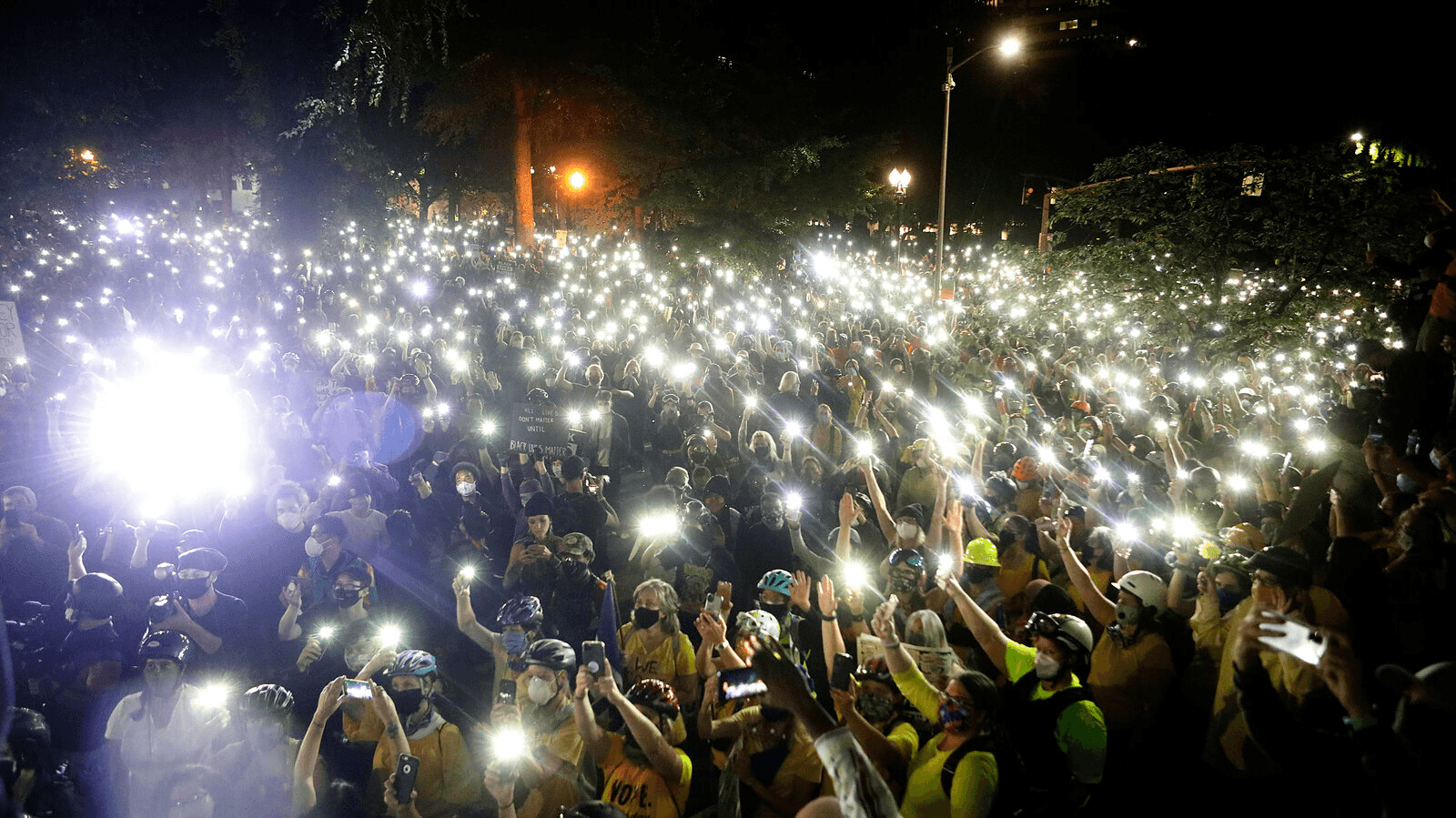
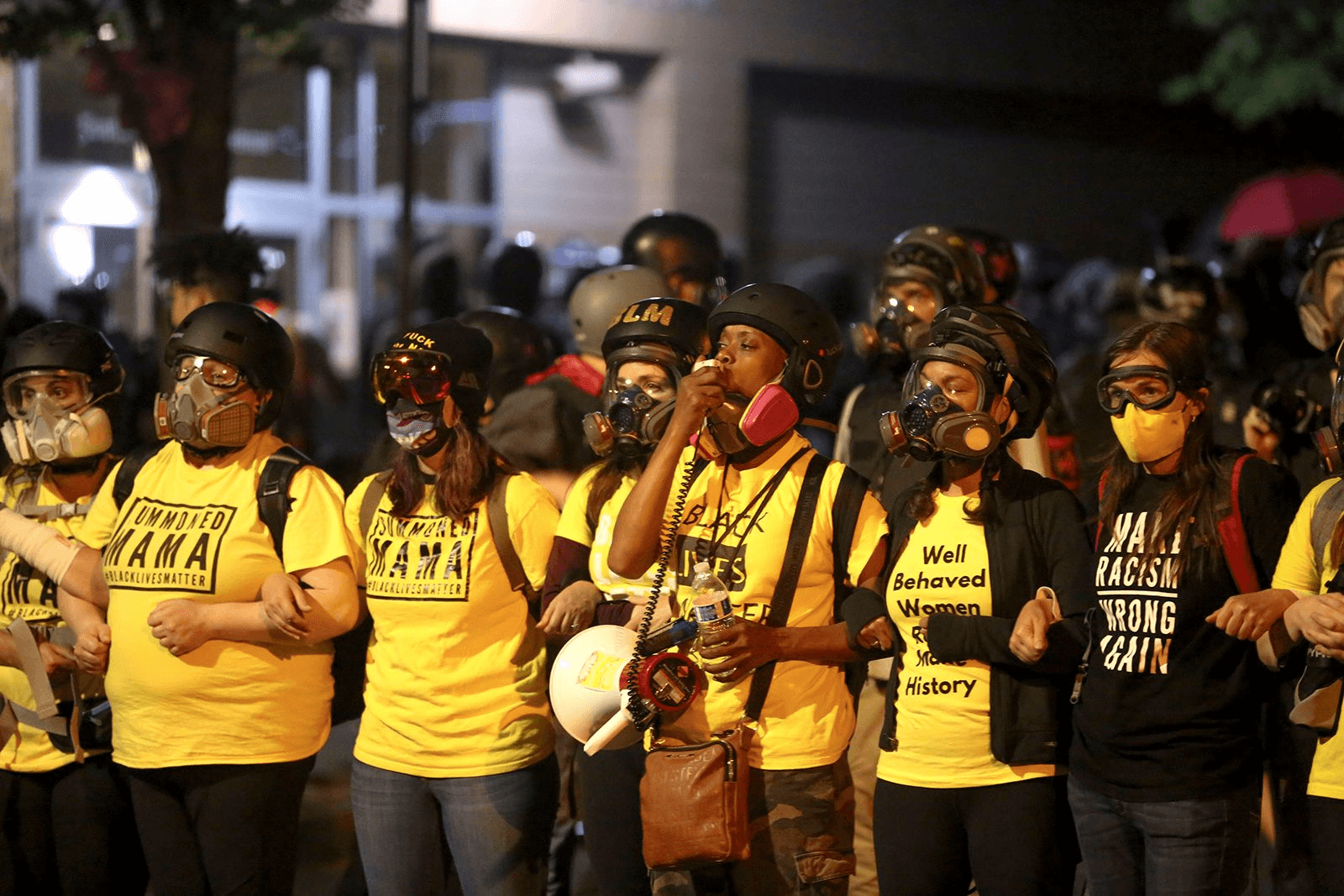
The protests themselves contained multitudes. Thousands marched peacefully through downtown streets, holding phones aloft as impromptu candles, their screens glowing in the darkness.[2] Groups of women formed human chains, fists raised, demanding attention to racial inequality. At the same time, other protesters clashed directly with federal officers, throwing objects and assembling makeshift shield walls from umbrellas and garbage cans to push toward the courthouse.[2]

The federal government defended its actions as necessary protection of federal property. Acting DHS Secretary Chad Wolf visited Portland on July 16 and appeared on Fox News to make the case that without federal intervention, the courthouse would fall.[1] President Trump framed the deployment as law and order, invoking executive authority to send agents into a city whose local leaders had not requested them.[2]
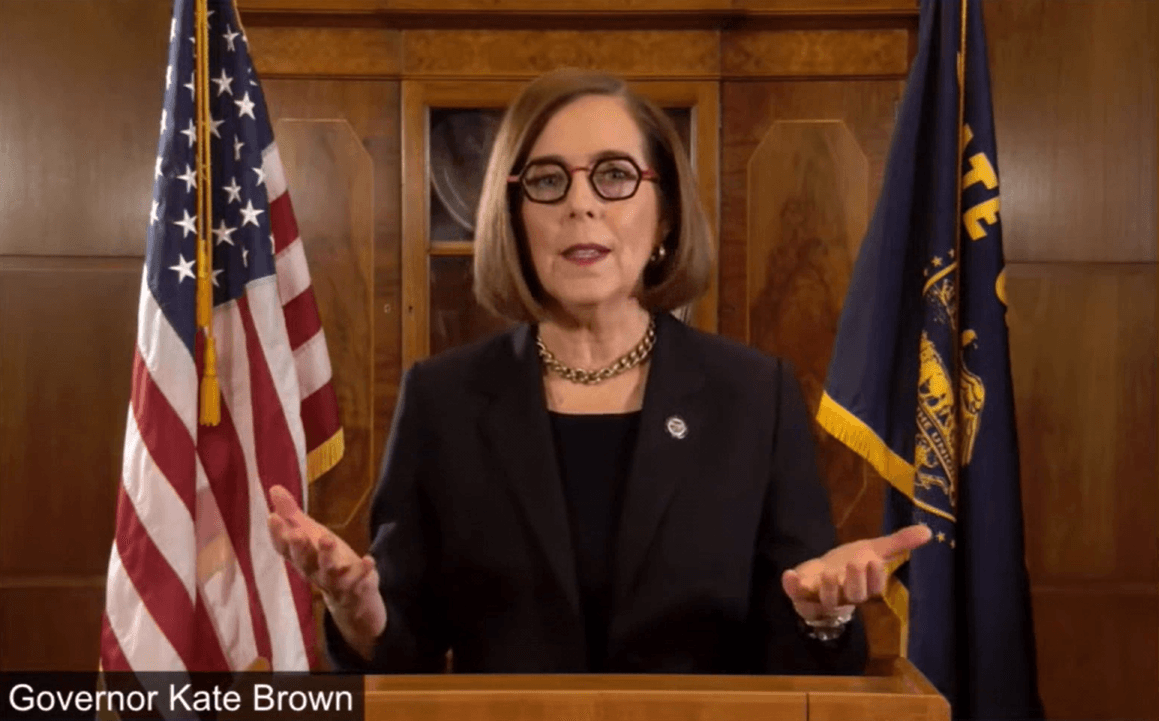
Oregon's elected officials saw the federal presence differently. Governor Kate Brown demanded that the agents withdraw, arguing they were inflaming rather than calming the situation.[1],[2] Senator Ron Wyden went further, accusing the federal government of treating Portland as occupied territory, an American city subjected to the kind of force usually reserved for foreign adversaries.[1],[2]
The constitutional questions raised by Portland went far beyond the city itself. Federal agents had been deployed to protect a single building, yet their operations extended blocks from the courthouse, into neighborhoods where federal property was nowhere in sight. They answered to no local authority, operated under rules of engagement that remained opaque, and detained citizens without the procedural safeguards that local police were required to observe.[1] The image of camouflaged agents pulling protesters into unmarked vans became, for many Americans, the defining visual of summer 2020.
The federal presence ended not with a decisive resolution but with a negotiated withdrawal. By late August, an agreement between state and federal officials led to the agents' departure, and the protests gradually lost intensity. Yet the questions Portland raised remained unanswered: What limits exist on federal power to deploy force in American cities? When does protecting federal property become occupying local streets? The summer of 2020 in Portland offered no clear answers, only the demonstration that such confrontations were possible and that the boundaries of federal authority in domestic unrest remain deeply contested.
Portland 2020 connected to patterns visible throughout this collection of West Coast history. The deployment of federal force against local objections echoed 1906 San Francisco, where General Funston acted without waiting for Washington's approval and Mayor Schmitz authorized lethal force against suspected looters. The framing of protesters as dangerous radicals recalled how Seattle's 1919 strikers were labeled Bolsheviks, and how Berkeley's students were accused of being communist agitators. In each case, authorities responded to challenges by invoking threats that justified extraordinary measures. The Wall of Moms who linked arms in Portland practiced a form of nonviolent resistance that traced directly to the civil rights tactics Berkeley students had learned before launching the Free Speech Movement. Portland also reflected the Pacific Northwest's particular political culture, shaped by decades of environmental activism, labor organizing, and suspicion of centralized authority. The city's protests lasted longer than those elsewhere in part because of traditions rooted in regional history. Looking forward, the events of 2020 will likely inform debates over policing, federal power, and protest rights for years to come. The images of camouflaged agents in American streets, of tear gas drifting through residential neighborhoods, of mothers forming human shields, entered the visual vocabulary of American political conflict. Whether Portland represents an aberration or a preview of future confrontations between federal authority and local resistance remains to be seen.
Sources
- [1] Levinson, Jonathan, Conrad Wilson, and Ryan Haas. "50 Days of Protest in Portland: A Violent Police Response." Oregon Public Broadcasting, July 28, 2020. Available at: https://www.opb.org/news/article/police-violence-portland-protest-federal-officers/ (Accessed November 5, 2025).
- [2] BBC News. "Portland protests: Fresh violence as demonstrators clash with federal officers." July 21, 2020. Available at: https://www.bbc.com/news/world-us-canada-53489991 (Accessed November 5, 2025).
- [3] Cava, Marco Della, and Trevor Hughes. "What's happening in Portland? Elected officials condemn violence at protests." The New York Times. Available at: https://www.nytimes.com/article/portland-protests-explained-protesters.html (Accessed November 5, 2025).
- [4] Asmelash, Leah, and Hollie Silverman. "The Wall of Moms stood between protesters and federal agents in Portland. Then things got complicated." CNN, September 8, 2020. Available at: https://www.cnn.com/2020/09/08/us/wall-of-moms-implosion-black-voices (Accessed November 5, 2025).
- [5] Tracy, Alex Milan. "Protesters holding shields line up in the street opposite the Edith Green-Wendell Wyatt Federal Building." Alamy, July 18, 2020. Available at: https://www.alamy.com/portland-usa-18th-july-2020-protesters-holding-shields-line-up-in-the-street-opposite-the-edith-green-wendell-wyatt-federal-building-as-demonstrations-against-police-brutality-outside-the-federal-courthouse-and-justice-center-in-downtown-portland-ore-on-july-18-2020-photo-by-alex-milan-tracysipa-usa-credit-sipa-usaalamy-live-news-image366158534.html (Accessed November 5, 2025).
- [6] "Oregon Gov. Kate Brown to give her final State of the State address." KATU News. Available at: https://katu.com/news/local/oregon-gov-kate-brown-to-give-her-final-state-of-the-state-address (Accessed November 5, 2025).
- [7] "Federal Agents Use Tear Gas to Clear Portland Protest." Voice of America News, July 5, 2020. Available at: https://www.voanews.com/a/usa_race-america_federal-agents-use-tear-gas-clear-portland-protest/6193417.html (Accessed November 5, 2025).